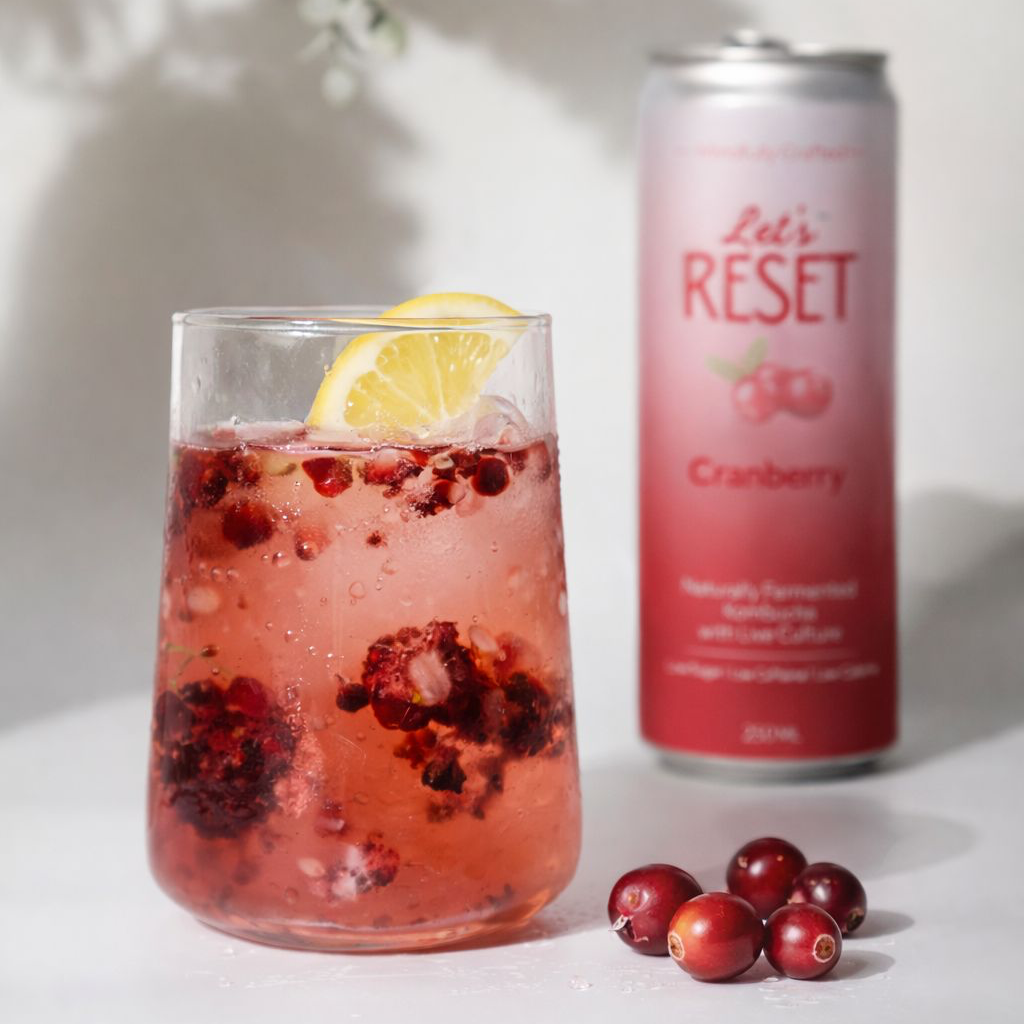


7 Surprising Benefits of Drinking Kombucha Regularly
In recent years, kombucha has become one of the most popular beverages in the global wellness space. Known for its refreshing taste and natural fermentation process, this lightly sparkling tea has attracted consumers who are looking for healthier alternatives to sugary soft drinks.
Kombucha is made by fermenting sweetened tea using a SCOBY (Symbiotic Culture of Bacteria and Yeast). During fermentation, the culture transforms the tea by producing beneficial compounds such as organic acids, antioxidants, and probiotics.
Because of this unique process, kombucha offers several potential wellness benefits that go beyond simple hydration. Here are seven surprising benefits of drinking kombucha regularly.
1. Supports Gut Health
One of the most well-known benefits of kombucha is its potential to support digestive health.
The fermentation process produces probiotics, which are beneficial microorganisms that may help maintain a healthy balance of bacteria in the gut. A balanced gut microbiome plays an important role in digestion, nutrient absorption, and overall well-being.
Many people include fermented foods and beverages like kombucha in their diet as part of a gut-friendly lifestyle.
2. Contains Natural Antioxidants
Kombucha is typically brewed using green or black tea, both of which are naturally rich in antioxidants.
Antioxidants help protect the body from oxidative stress caused by free radicals. These compounds are associated with supporting cellular health and overall wellness.
Because kombucha retains many of the beneficial compounds found in tea, it can be a refreshing way to incorporate antioxidants into daily routines.
3. May Support Detoxification Processes
During fermentation, kombucha produces organic acids such as acetic acid and glucuronic acid, which are often associated with supporting the body’s natural detoxification processes.
While the body already has built-in detox systems, including the liver and kidneys, some researchers suggest that certain compounds in fermented foods may complement these natural functions.
4. Offers a Lower-Sugar Alternative to Soda
Many traditional sodas contain large amounts of added sugar. Kombucha, on the other hand, undergoes fermentation where a portion of the sugar is consumed by the SCOBY.
As a result, many kombucha beverages contain less sugar than typical soft drinks, making them an appealing option for people looking to reduce sugar intake while still enjoying a flavorful drink.
5. Provides Natural Energy
Because kombucha is made from tea, it naturally contains small amounts of caffeine and B vitamins, which may contribute to gentle energy support.
Unlike highly caffeinated beverages, kombucha typically provides a milder boost, making it a popular choice for people who want sustained energy without excessive stimulation.
6. Encourages Healthier Beverage Choices
Switching from sugary drinks to beverages like kombucha can help encourage more mindful consumption habits.
For many people, replacing sodas with fermented beverages becomes part of a broader shift toward health-conscious eating and drinking habits.
7. A Refreshing and Flavorful Drink
Beyond its potential wellness benefits, kombucha is simply an enjoyable beverage. Its slightly tangy taste, natural carbonation, and wide variety of flavors make it appealing to a growing number of consumers.
Modern kombucha brands experiment with fruits, herbs, spices, and botanicals to create unique flavor profiles that suit different preferences.
A Simple Way to Explore Fermented Beverages
Kombucha represents a unique combination of tradition and modern wellness trends. Its fermentation-based production process, refreshing taste, and potential health benefits have helped it become one of the most recognized functional beverages today.
For individuals looking to explore fermented drinks or reduce their consumption of sugary sodas, kombucha offers a flavorful and potentially beneficial option.
As interest in gut health and functional beverages continues to grow, kombucha is likely to remain a popular choice for those seeking a refreshing drink with added wellness appeal.
For decades, soda has been one of the most popular beverages around the world. Its sweet taste and fizzy texture have made it a common choice for refreshment.
However, as awareness about sugar consumption and overall health continues to grow, many consumers are exploring alternatives to traditional soft drinks. One beverage that has gained significant attention is kombucha, a fermented tea known for its unique flavor and potential wellness benefits.
So how does kombucha compare to soda? And which option may be better for those seeking a healthier lifestyle?
Understanding What Soda Contains
Traditional soda is typically made with carbonated water, added sugar or high-fructose corn syrup, flavorings, and colorings. While it provides quick refreshment, it generally offers little nutritional value.
Many soft drinks also contain high levels of sugar. Regular consumption of sugary beverages has been linked to several health concerns, including weight gain, increased risk of metabolic conditions, and dental issues.
Because of these concerns, many consumers are reducing their soda intake and looking for alternatives.
What Makes Kombucha Different
Kombucha is made by fermenting sweetened tea with a symbiotic culture of bacteria and yeast, often called a SCOBY. During the fermentation process, the culture consumes some of the sugar and produces organic acids, beneficial compounds, and natural carbonation.
The result is a lightly fizzy beverage with a slightly tangy flavor.
Kombucha is often associated with several characteristics that appeal to health-conscious consumers:
-
It is made through natural fermentation
-
It often contains less sugar than many sodas
-
It may contain beneficial probiotics and antioxidants
Flavor and Drinking Experience
While soda is known for its sweet and straightforward flavor, kombucha offers a more complex taste profile. Its slightly tart flavor and natural carbonation provide a refreshing alternative for people looking for something different from traditional soft drinks.
Many kombucha brands also experiment with flavors using fruits, herbs, and botanicals, creating a wide variety of options.
Choosing the Right Beverage
Both soda and kombucha are enjoyable beverages, but they serve different purposes. Soda is typically consumed as a sweet treat, while kombucha is often chosen by consumers seeking a drink with natural ingredients and potential wellness benefits.
For individuals looking to reduce sugar intake and explore fermented beverages, kombucha may be a refreshing alternative.
A Shift in Beverage Preferences
The growing popularity of kombucha reflects a larger shift in consumer behavior. People are becoming more mindful about what they drink and are increasingly drawn to beverages that align with healthier lifestyles.
As functional beverages continue to gain momentum, kombucha is emerging as a compelling option for those looking to move beyond traditional sodas.
The global beverage industry is undergoing a major transformation. As consumers become more health-conscious, they are seeking drinks that offer more than simple refreshment. This demand has led to the rapid growth of functional beverages — drinks formulated with ingredients that support wellness, energy, immunity, and digestive health.
In 2026, the functional beverage category is expected to continue expanding as new innovations, ingredients, and consumer preferences reshape the market.
Here are some of the most important functional beverage trends to watch in 2026.
1. Gut Health Beverages Continue to Rise
One of the strongest trends in the wellness space is the growing focus on gut health. Consumers are increasingly aware of the role the gut microbiome plays in digestion, immunity, and overall wellbeing.
This awareness has fueled demand for probiotic-rich beverages, including fermented drinks like kombucha, kefir, and probiotic sodas.
Kombucha, in particular, has become a leading product in the gut health category due to its refreshing taste, natural fermentation process, and association with digestive wellness.
2. Low-Sugar and Naturally Sweetened Drinks
Modern consumers are paying closer attention to sugar content in beverages. As concerns about excessive sugar consumption grow, many people are shifting away from traditional sodas and sweetened drinks.
Brands are responding by creating low-sugar functional beverages that rely on natural sweetness from fruit, fermentation, or plant-based ingredients.
This trend is encouraging the development of beverages that balance flavor with better nutritional profiles.
3. Adaptogenic and Botanical Ingredients
Another major trend shaping the functional beverage market is the use of adaptogens and botanical extracts. Adaptogens are herbs and natural compounds believed to help the body manage stress and maintain balance.
Common ingredients appearing in functional drinks include:
-
Ashwagandha
-
Ginseng
-
Turmeric
-
Ginger
-
Holy basil
These plant-based ingredients are being incorporated into teas, tonics, and sparkling beverages that appeal to wellness-focused consumers.
4. Clean Labels and Natural Ingredients
Consumers today want transparency in the products they consume. The demand for clean-label beverages — products with simple, recognizable ingredients — is growing rapidly.
Functional beverages that highlight natural fermentation, organic ingredients, and minimal processing are gaining popularity among consumers who value authenticity and quality.
5. The Rise of Everyday Wellness Drinks
Functional beverages are no longer seen as niche health products. Instead, they are becoming part of daily routines for many consumers.
From morning energy drinks made with natural caffeine to probiotic beverages consumed throughout the day, the category is evolving toward everyday wellness hydration.
The Future of Functional Beverages
As health awareness continues to grow, functional beverages are likely to play an increasingly important role in the global beverage market.
Innovation in fermentation, plant-based ingredients, and natural wellness solutions will continue to shape how consumers think about what they drink.
For many people, beverages are no longer just about taste — they are about supporting a healthier lifestyle.
Over the past decade, gut health has become one of the most talked-about topics in the wellness industry. As research into the human microbiome continues to evolve, consumers are becoming increasingly aware of how gut health influences digestion, immunity, and even mental wellbeing.
This growing awareness has sparked a surge in demand for probiotic foods and beverages, with kombucha emerging as one of the most popular options.
Understanding the Gut Microbiome
The gut microbiome refers to the trillions of microorganisms that live in the digestive tract. These bacteria play an important role in breaking down food, supporting immune function, and maintaining overall health.
When the balance of these microorganisms is disrupted — often due to poor diet, stress, or antibiotics — it can affect digestion and overall wellbeing.
This is where probiotic-rich foods and beverages can help support a healthy microbial balance.
Why Probiotic Drinks Are Gaining Popularity
While probiotic supplements have been available for years, many consumers now prefer to obtain probiotics through natural food sources. Fermented beverages such as kombucha offer a convenient and enjoyable way to incorporate probiotics into daily routines.
Probiotic drinks are gaining popularity because they offer several advantages:
-
They are easy to consume regularly
-
They combine hydration with digestive support
-
They often contain natural ingredients and fermentation cultures
As wellness-focused lifestyles continue to grow, probiotic beverages are becoming an increasingly common part of everyday diets.
Kombucha as a Gut-Friendly Beverage
Kombucha is a fermented tea beverage produced using a symbiotic culture of bacteria and yeast. During fermentation, the culture transforms sweetened tea into a lightly sparkling drink that contains organic acids, beneficial microbes, and antioxidants.
Many consumers choose kombucha not only for its refreshing taste but also for its association with digestive wellness.
Its naturally fermented nature makes it one of the most recognizable drinks within the probiotic beverage category.
A Long-Term Wellness Trend
Gut health is no longer a niche concept limited to nutrition enthusiasts. It has become a mainstream wellness priority for consumers around the world.
As interest in microbiome health continues to grow, probiotic beverages like kombucha are expected to remain a key part of the functional beverage landscape.
Over the last decade, the conversation around sugar consumption has changed dramatically. Public health campaigns, nutrition research, and increased consumer awareness have highlighted the potential risks of excessive sugar intake.
As a result, many people are actively searching for low-sugar beverage alternatives that still deliver flavor and refreshment.
This shift is transforming the beverage industry and opening the door for functional drinks like kombucha.
The Problem with Sugary Soft Drinks
Traditional sodas often contain large amounts of added sugar, with a single serving sometimes exceeding recommended daily limits.
High sugar consumption has been linked to several health concerns, including weight gain, metabolic disorders, and increased risk of chronic diseases.
As awareness grows, many consumers are choosing to reduce their intake of sugary beverages.
The Rise of Low-Sugar Alternatives
The demand for healthier drink options has encouraged beverage brands to develop alternatives that provide taste without excessive sugar.
Some of the most popular options include:
-
Sparkling water with natural flavors
-
Fermented beverages like kombucha
-
Herbal and botanical drinks
-
Lightly sweetened tea-based beverages
These drinks appeal to consumers who want something more interesting than plain water but healthier than traditional soda.
Kombucha as a Balanced Beverage Option
Kombucha offers a unique balance between flavor and wellness. Because it is fermented, a portion of the sugar used during brewing is consumed by the fermentation culture.
This process often results in a beverage that contains less sugar than many traditional soft drinks while still delivering natural carbonation and complex flavor.
For many consumers, kombucha represents a satisfying middle ground between indulgent sodas and plain beverages.
A Healthier Beverage Future
The shift toward low-sugar living reflects a broader cultural change in how people think about food and drinks. Consumers today are prioritizing transparency, natural ingredients, and functional benefits.
As these preferences continue to shape the beverage market, healthier alternatives like kombucha are likely to play an increasingly important role in everyday hydration.
For decades, carbonated soft drinks dominated the global beverage industry. Sugary sodas became a daily staple for millions of people. However, over the last few years, consumer preferences have shifted dramatically. Health-conscious consumers are now looking for beverages that do more than simply quench thirst.
This shift has fueled the rapid rise of functional beverages — drinks that offer added health benefits such as improved digestion, enhanced energy, or better immunity. From kombucha and probiotic drinks to adaptogenic teas and botanical infusions, functional beverages are reshaping how people think about hydration and wellness.
What Are Functional Beverages?
Functional beverages are drinks that contain ingredients designed to provide specific health benefits beyond basic nutrition. These beverages often include natural compounds such as probiotics, vitamins, minerals, herbs, or plant extracts that support overall wellbeing.
Common categories of functional beverages include:
-
Probiotic drinks like kombucha and kefir that support gut health
-
Adaptogenic beverages made with herbs such as ashwagandha or ginseng that help the body manage stress
-
Vitamin-infused waters designed to support immunity and hydration
-
Plant-based beverages rich in antioxidants and natural nutrients
Unlike traditional sodas that primarily contain sugar, carbonation, and artificial flavoring, functional beverages are formulated with wellness in mind.
Why Consumers Are Moving Away from Soda
The decline in soda consumption is closely linked to growing awareness about the impact of sugar and artificial ingredients on health. Consumers today are reading labels more carefully and seeking products that align with healthier lifestyles.
Several factors are driving this change:
Rising Health Awareness
High sugar consumption has been linked to a range of health concerns, including obesity, diabetes, and metabolic disorders. As consumers become more informed, many are reducing their intake of sugary soft drinks and replacing them with healthier alternatives.
Focus on Preventive Wellness
Modern consumers increasingly view food and beverages as tools to support long-term health. Instead of waiting for health problems to arise, many people now prioritize preventive wellness through diet and lifestyle choices.
Functional beverages fit naturally into this approach by offering benefits such as digestive support, hydration, and immune support.
Demand for Natural Ingredients
Another major trend shaping the beverage market is the growing preference for natural and minimally processed products. Consumers are gravitating toward drinks made with recognizable ingredients such as tea, herbs, fruits, and fermentation cultures.
Functional beverages often highlight these natural ingredients, making them more appealing to health-conscious audiences.
Kombucha and the Fermented Beverage Movement
One of the most popular functional beverages gaining global attention is kombucha. Kombucha is a fermented tea beverage made using a culture of yeast and bacteria known as a SCOBY (Symbiotic Culture of Bacteria and Yeast).
During the fermentation process, the culture consumes sugar and produces beneficial compounds such as organic acids, probiotics, and antioxidants. The result is a lightly carbonated beverage with a slightly tangy flavor and potential digestive benefits.
Kombucha has become a favorite among consumers looking for a refreshing drink that supports gut health while offering a natural alternative to soda.
The Growing Functional Beverage Market
The functional beverage category is expanding rapidly as both startups and major beverage companies invest in health-forward products. Market research shows consistent growth in segments such as probiotic drinks, plant-based beverages, and botanical infusions.
Several trends are shaping the future of this market:
-
Increased demand for gut health products
-
Interest in low-sugar beverages
-
Growth of natural fermentation-based drinks
-
Rising popularity of wellness-focused lifestyles
As these trends continue to evolve, functional beverages are expected to become a major pillar of the global beverage industry.
The Future of Mindful Drinking
The beverage industry is undergoing a fundamental transformation. Consumers are no longer satisfied with drinks that simply taste good; they want beverages that contribute to their overall well-being.
Functional beverages represent this new era of mindful drinking, where hydration, flavor, and health benefits come together in a single product.
From probiotic kombucha to herbal wellness tonics, the shift away from sugary sodas reflects a broader movement toward healthier, more intentional consumption. As consumers continue to prioritize wellness, functional beverages are poised to play an increasingly important role in everyday diets.